
🎬 Nightcrawler
Release Year: 2014
Streaming Platform: Netflix
⭐ IMDb: 7.8/10 | 🍅 Rotten Tomatoes: 95%
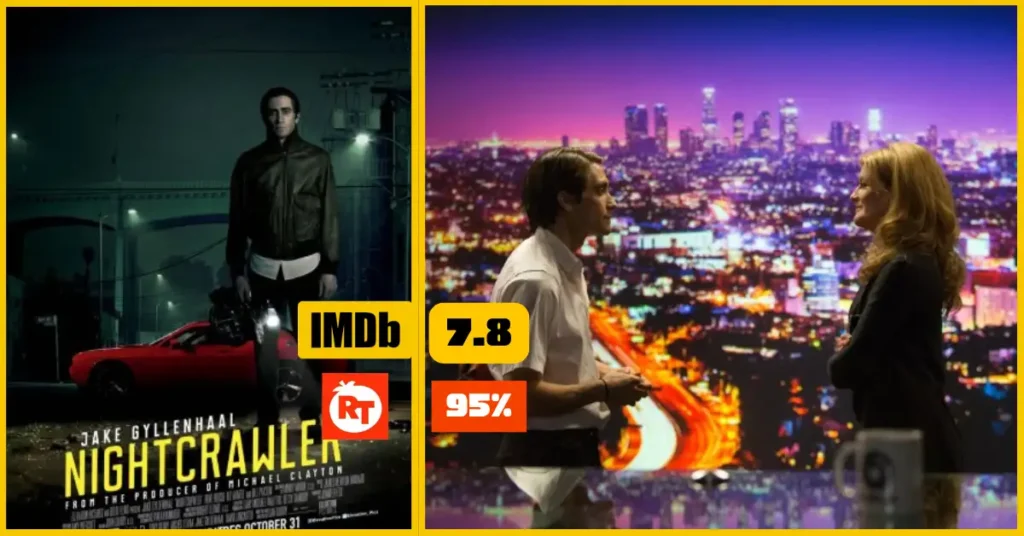
Nightcrawler delivers a gripping neo-noir psychological thriller that peels back the curtain on L.A.’s cutthroat crime journalism world. This article breaks down the full movie explained, from plot phases to character arcs, and delivers a deep Nightcrawler movie ending explained. Expect cinematic insights into its media critique and moral decay.
Overview
Nightcrawler blends thriller tension with dark satire on sensationalist news. Directed byDan Gilroyin his debut, it runs 117 minutes with a moody nocturnal vibe. Themes of ambition and exploitation drive the story without early reveals.
Spoiler Warning
This section reveals the full plot, twists, and Nightcrawler ending explained. Proceed if ready for all details.
Story Explained
Act 1 Explained
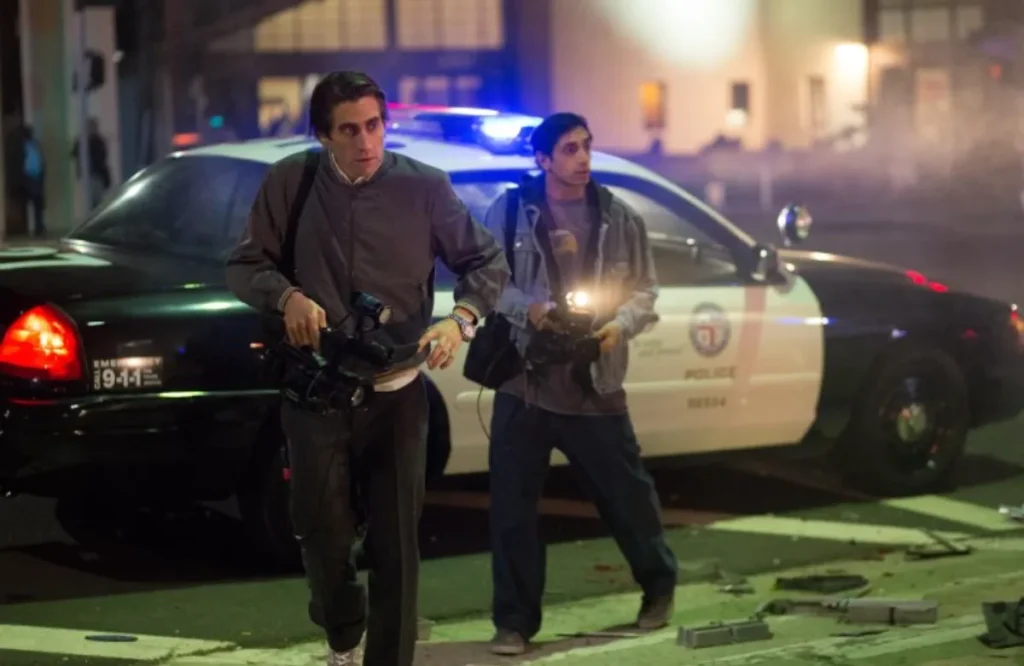
Lou Bloom, a desperate petty thief in Los Angeles, steals scrap metal from a railyard but gets caught attacking a security guard. Driving away, he stumbles upon a fiery car crash filmed by stringers—freelance videographers chasing police scanners for news footage. Intrigued byJoe Loder‘s (Bill Paxton) explanation of their lucrative hustle, Lou pawns a stolen bike for a camera and dives in.
His first shaky attempts fail, but Lou captures a fatal carjacking in a wealthy area and sells it toNina Romina(Rene Russo) at KWLA 6. She craves graphic content from “safe” upscale neighborhoods to spike ratings. Lou hires homelessRick(Riz Ahmed) as cheap labor, buying a fast Dodge Challenger for speed.
Act 2 Explained
Lou escalates, tampering with scenes like moving a body for better shots to outpace rivals. Nina’s station thrives on his feeds, but her contract nears end, pressuring her for hits. Lou leverages this, demanding higher pay, exclusive deals, and sexual favors in exchange for prime footage.
Rival Joe gloats after beating Lou to a plane crash, but Lou films Joe’s horrific wreck later, selling it without remorse. Lou withholds video of home invasion killers fleeing a Granada Hills massacre, editing it to hype fear among viewers. DetectiveFrontieri(Michael Hyatt) questions him, sensing foul play.
Lou stalks the killers to their hideout, delaying police calls for dramatic footage. Rick grows uneasy with the risks and Lou’s ruthlessness. Tension builds as Lou’s empire expands on lies and manipulation.
Act 3 Explained
Lou tracks the armed duo, forcing Rick into a risky tail. At a diner, Lou tips police for a shootout, sparking a high-speed chase through L.A. streets ending in crashes. Lou sends Rick to film a “dead” gunman, who shoots Rick fatally. Police kill the criminals as Lou records coldly.
Nina airs the explosive footage despite ethics debates, boosting ratings sky-high. Lou spins lies to detectives, framing Rick as complicit. His business booms with new vans and interns.
Key Themes Explained
Nightcrawler skewers media sensationalism, where “if it bleeds, it leads” trumps truth. Lou embodies unchecked capitalism, viewing people as assets in his ascent. Symbolism abounds: his wide-eyed stare evokes a predator, L.A.’s nightscape mirrors moral wilderness.
Consumer voyeurism fuels the cycle—viewers crave gore, enabling Lou’s depravity. Lou’s motivational speeches parody corporate greed, highlighting how ambition erodes ethics. The film indicts journalism’s bias toward white, affluent victims for maximum fear.
Characters Explained
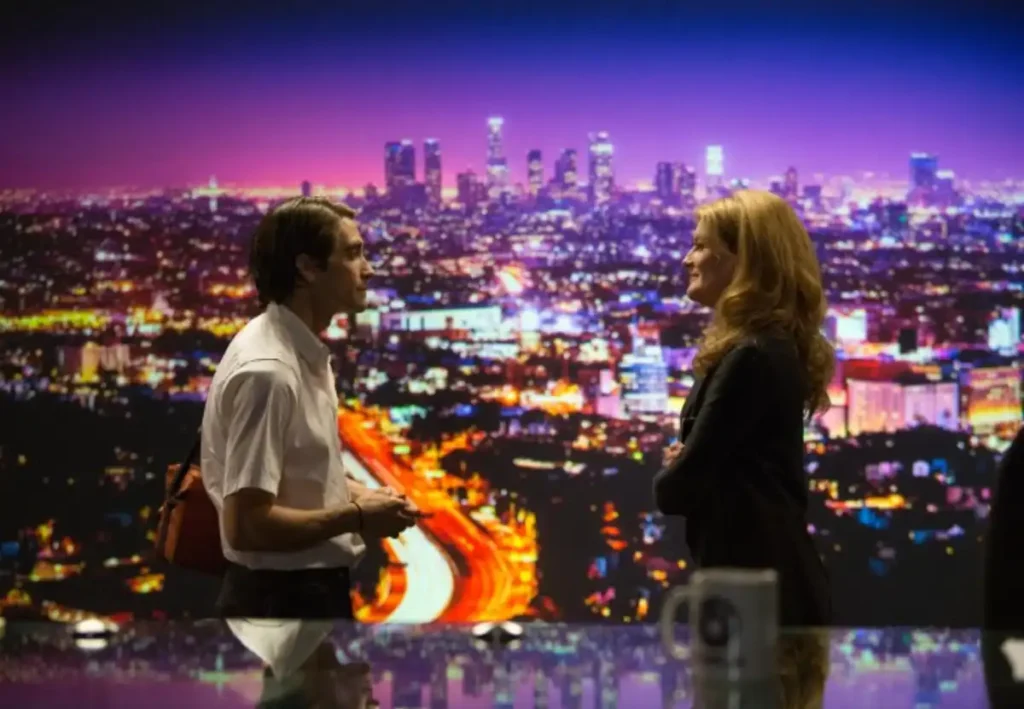
Lou Bloom(Jake Gyllenhaal) starts as a hustler but evolves into a sociopathic mogul, reciting self-help mantras while committing atrocities. His charm masks zero empathy; he discards Rick like dead weight. No redemption arc—he thrives on exploitation.
Nina Rominacompromises everything for ratings, sleeping with Lou out of desperation. Her arc shows media execs as enablers.Rickseeks escape from poverty but becomes disposable, highlighting power imbalances.Joe Loderrepresents old-guard competition, crushed ruthlessly.
Twist Explained
Lou’s masterstroke: withholding home invasion killers’ footage to craft a narrative, then baiting their demise for ultimate scoop. The real twist? He orchestrates Rick’s death by sending him to a live gunman, admitting it coldly. This cements Lou’s psychopathy—no accident, pure calculation.
Movie Ending Explained
Lou sells the chase footage to Nina, who airs it despite police demands, as the “home invasion” was a drug rip-off—maximizing drama. Interrogated by Frontieri, Lou fabricates a tale of self-defense, walking free without evidence against him.
The finale shows Lou pitching to interns with two vans, echoing Joe’s setup but bigger. It means capitalism rewards sociopaths; Lou’s “success” indicts a system prizing profit over humanity. Alternate view: satire on audience complicity—we cheer his wins.Dan Gilroyintended a cautionary tale on media’s bloodlust, where predators like Lou become kings.
Performances
Jake Gyllenhaaltransforms into a gaunt, feral Lou, his bulging eyes and robotic smiles chillingly authentic—losing 30 pounds amplified the intensity. Moments like monologuing over bodies showcase nuanced menace.Rene Russonails Nina’s vulnerability turning predatory, her desperation palpable.
Riz Ahmedbrings heartbreaking fragility to Rick, his betrayal scene raw.Bill Paxtonchews scenery as cocky Joe, a perfect foil. Supporting turns like Hyatt’s steely detective add grit without overplaying.
Direction & Visuals
Dan Gilroy‘s debut grips with taut pacing, blending thriller chases and satire seamlessly. CinematographerRobert Elswitpaints nocturnal L.A. in stark blues and shadows, wide shots evoking wildlife hunts—Lou as coyote stalking prey.
Handheld frenzy during crawls heightens chaos; long takes immerse in Lou’s obsession. Color palette shifts from grimy streets to sterile newsrooms, symbolizing blurred observer-participant lines. Sound design amps scanner static into ominous pulse.
Pros and Cons
Pros:
Cons:
- Predictable Lou’s unyielding sociopathy
- Some find satire heavy-handed
- B− CinemaScore shows mixed audience pull
Cast
Crew
| Role | Name |
|---|---|
| Director/Writer | Dan Gilroy |
| Cinematographer | Robert Elswit |
| Editor | John Gilroy |
| Composer | James Newton Howard |
| Producer | Jake Gyllenhaal, Tony Gilroy |
Who Should Watch?
Thriller fans craving moral ambiguity,Jake Gyllenhaaladmirers, and media skeptics. Skip if bothered by unrelenting darkness. Perfect for late-night binges on Netflix.
Verdict
Nightcrawler masterfully exposes journalism’s underbelly through Lou’s ascent. Gyllenhaal’s tour-de-force anchors this provocative thriller. Ending lingers as a stark warning on ambition’s cost.
Reviews & Rankings
| Platform | Score | Notes |
|---|---|---|
| IMDb | 7.8/10 | 655K votes |
| Rotten Tomatoes | 95% | Critics love Gyllenhaal |
| Metacritic | 76/100 | Generally favorable |
| CinemaScore | B− | Audience grade |
Where to Watch
Catch Nightcrawler onNetflix—stream Lou’s nocturnal hunt anytime. Rent on Apple TV or Amazon in India.