
🎬 Fight Club
Release Year: 1999
Streaming Platform: Hulu, JioHotstar
⭐ IMDb: 8.8/10 | 🍅 Rotten Tomatoes: 80%
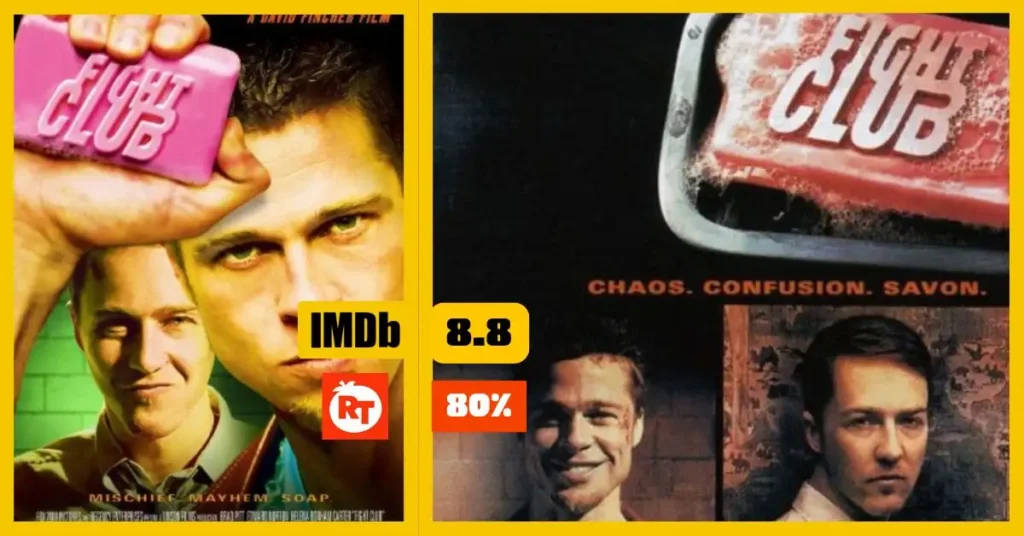
Fight Club (1999) stands as a cult classic psychological thriller that dissects modern masculinity and consumerism through raw violence and mind games. This movie explained guide breaks down the full plot,David Fincher‘s direction, and the iconic ending explained—revealing Tyler Durden’s twist and its deeper meanings. Expect a cinematic journey into rebellion, identity, and chaos.
Overview
Directed byDavid Fincher, Fight Club blends drama, satire, and thriller elements into a 139-minute punch to the gut. The mood swings from bleak corporate drudgery to underground frenzy, critiquing 90s excess. No spoilers here—just know it starsEdward Norton,Brad Pitt, andHelena Bonham Carterin a tale of disaffected men seeking purpose.
SPOILER WARNING
Story Explained
Act 1: The Insomniac’s Descent
The unnamedNarrator(Edward Norton) drifts through a numb life of office cubicles and IKEA catalogs, battling insomnia by crashing support groups. His world flips on a plane ride home, meeting charismatic soap salesmanTyler Durden(Brad Pitt). Tragedy strikes when his apartment explodes, forcing him to Tyler’s rundown house.
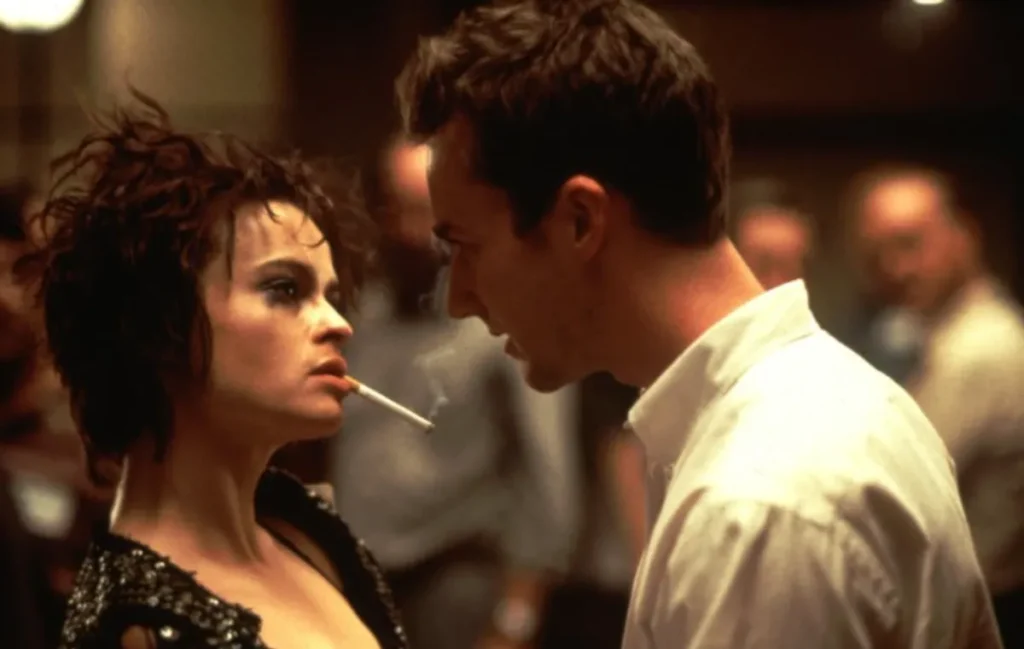
They bond over a brutal street fight outside a bar—raw, exhilarating, real. This sparks the first rule: underground bare-knuckle brawls for men tired of emasculation.Marla Singer(Helena Bonham Carter), a chain-smoking outsider, crashes the scene, sparking tension.
Act 2: Fight Club Expands
Fight Club explodes in popularity, with chapters nationwide and strict rules: “You do not talk about Fight Club.” Tyler preaches anti-consumerism, assigning “homework” like picking fights with strangers. The Narrator thrives on the pain, shedding his corporate skin.
Jealousy brews as Tyler hooks up with Marla, leaving the Narrator sidelined. Violence escalates—Meat Loaf‘s tearfulBobbecomes a casualty, his death fueling Tyler’s evolution intoProject Mayhem. Pranks turn terrorist: vandalism, chaos against credit buildings.
Act 3: Chaos Unleashed
The Narrator wakes from blackouts, horrified by Project Mayhem’s cultish grip—members chant “His name is Robert Paulson.” He confronts Tyler, chasing him across cities, unraveling his fracturing mind. Police dismiss him; even his boss gets blackmailed.
Desperate, he tries disarming bombs under skyscrapers holding debt records. Tyler appears for a rooftop showdown. The truth detonates: self-destruction or salvation?
Key Themes Explained
Fight Club skewers consumerism—Tyler’s “You are not your khakis” rips apart identity tied to possessions. Masculinity rots in cubicle hell, birthing primal release through fists and anarchy.
Dissociative identity symbolizes psychic splits from alienation; Project Mayhem mocks blind ideology, turning rebellion into fascism. Soap from liposuction fat? A gritty metaphor for beauty industry hypocrisy.
Characters Explained
The Narratorcraves feeling amid emptiness, creating Tyler as his id unleashed. His arc peaks in self-shooting—embracing wholeness over denial.Tyler Durdenembodies chaos: fearless, seductive, destructive. Pitt’s charm masks nihilism.
Marla Singermirrors the Narrator’s fakeness—a grifter thriving in mess. Her chain-smoking wit grounds the madness, forcing confrontation.Bobhumanizes the club: estrogen tears to explosive martyrdom.
Twist Explained
The gut-punch: Narrator and Tyler are one. Flashbacks reframe every scene—Tyler vanishes when alone, appears in mirrors. It’s no cop-out; a Jungian shadow self, critiquing escapism. Modern view: mental health allegory for repressed rage.
Movie Ending Explained
The Narrator, realizing Tyler’s bomb plot will erase national debt via skyscraper blasts, shoots himself in the mouth. Bullet rips his cheek; Tyler’s head explodes—alter ego dies. Wounded, he rejects suicide fully.
Marla arrives, dragged by cultists. They hold hands, watching buildings crumble to Pixies’ “Where Is My Mind?” Chaos triumphs, but his psyche integrates—individuation via destruction. Alternate take: satire warns rebellion devolves to terrorism; society rebuilds unchanged.
Fincher’s intent?Visual poetry ties theme—consumer towers fall, but holding Marla’s hand nods human connection over ideology. Cultists whisper “Tyler will be back,” hinting endless cycles.
Performances
Edward Nortonnails fractured psyche: subtle tics build to mania, voiceover dripping sarcasm. His cheek-shooting restraint sells terror.Brad Pittowns Tyler—crooked grin, ripped abs, zen rants ooze charisma masking void.
Helena Bonham Carter‘s Marla bites with ragged glamour; “I haven’t been fucked like that since grade school” lands hilariously raw.Meat Loafbreaks hearts as Bob, transforming bulk into vulnerability. Ensemble shines in fights—authentic brutality.
Direction & Visuals
David Finchercrafts hyper-real grit: subliminal frames flash Tyler early, foreshadowing genius. Jeff Cronenweth’s cinematography mixes sterile blues for corporate hell with grimy yellows for fights.
Iconic shots—like lye burn close-ups—pulse tension; slow-mo punches feel visceral. Color palette shifts: glossy ads invade reality, soap credits’ testicles nod fertility myths. Fincher’s precision elevates satire.
Pros and Cons
Pros:Mind-bending twist endures; razor-sharp script satirizes culture. Pitt/Norton chemistry electric; visuals iconic.
Cons:Glorifies violence, potentially misread as manifesto. Pacing drags in Project Mayhem; female roles underdeveloped.
Cast
Crew
Who Should Watch?
Fans of twisty thrillers likeShutter IslandorThe Prestige. Ideal for 20-40s pondering capitalism’s grind. Skip if violence triggers you.
Verdict
Fight Club (1999) ending explained reveals a savage mirror to consumer souls—twist redefines everything. Fincher’s vision provokes endless debate. Timeless gut-punch.
Reviews & Rankings
| Platform | Score | Consensus Snippet |
|---|---|---|
| IMDb | 8.8/10 | Cult masterpiece on identity |
| Rotten Tomatoes | 80% | Bold, divisive satire |
| Metacritic | 66/100 | Visual knockout, message murky |
Where to Watch
StreamFight ClubonHulu(US) orJioHotstar(India)—perfect for this movie explained binge. Rent on Prime Video worldwide