
🎬 The Mist
Release Year: 2007
Streaming Platform: Peacock, Pluto TV, Apple TV (Rent)
⭐ IMDb: 7.1/10 | 🍅 Rotten Tomatoes: 72%
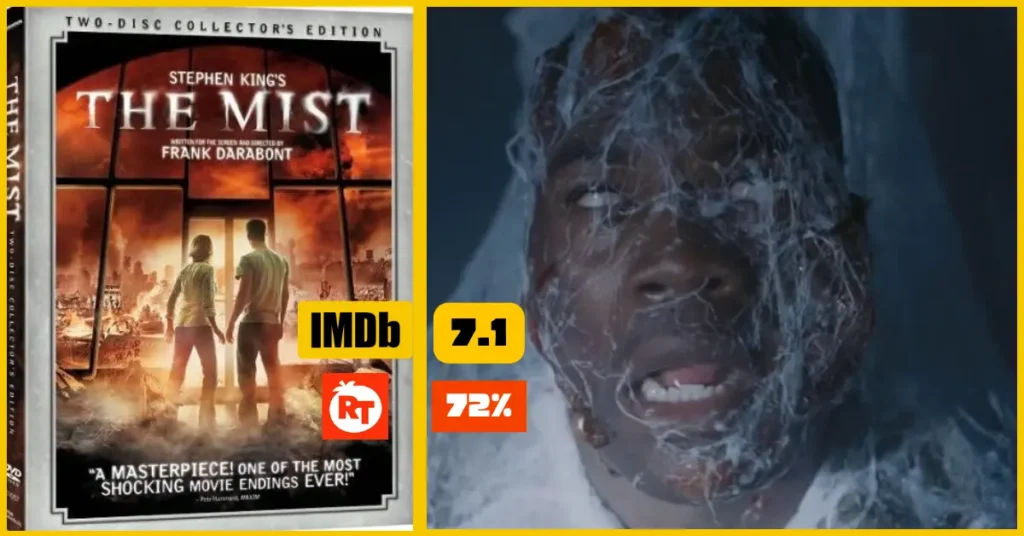
THE MIST 2007
1. The Mist (2007)
In the vast landscape of Stephen King adaptations, few films have sparked as much debate and visceral reaction as Frank Darabont‘sThe Mist (2007). On the surface, it is a monster movie about people trapped in a supermarket by otherworldly creatures. But underneath, it is a relentless, gut-wrenching study of human nature under pressure. ThisMovie ExplainedandEnding Explainedarticle will dissect the layers of this modern horror classic. We will explore how Darabont, the director ofThe Shawshank Redemption, created the perfect anti-Shawshank: a tale not about the endurance of hope, but about the fatal dangers of losing it.
2. Overview
The Mistis a 127-minute science fiction horror film that thrives on claustrophobia and paranoia. After a violent thunderstorm, a mysterious mist rolls into a small Maine town, carrying horrifying creatures with it. The film’s protagonist, David Drayton, finds himself trapped in a local supermarket with his young son and a growing number of panicked townsfolk. The mood is bleak and tense, focusing less on the monsters outside and more on the descent into madness happening inside the store. It is a dark, serious film that refuses to offer the audience any comfort.
3. 🚨 SPOILER WARNING: Major Plot And Ending Details Ahead
If you haven’t seen The Mist yet, stop reading now.The impact of this film relies entirely on its narrative punch. Come back after you’ve watched it.
4. Story Explained (Full Breakdown)
Act 1 Explained: The Calm and the Storm
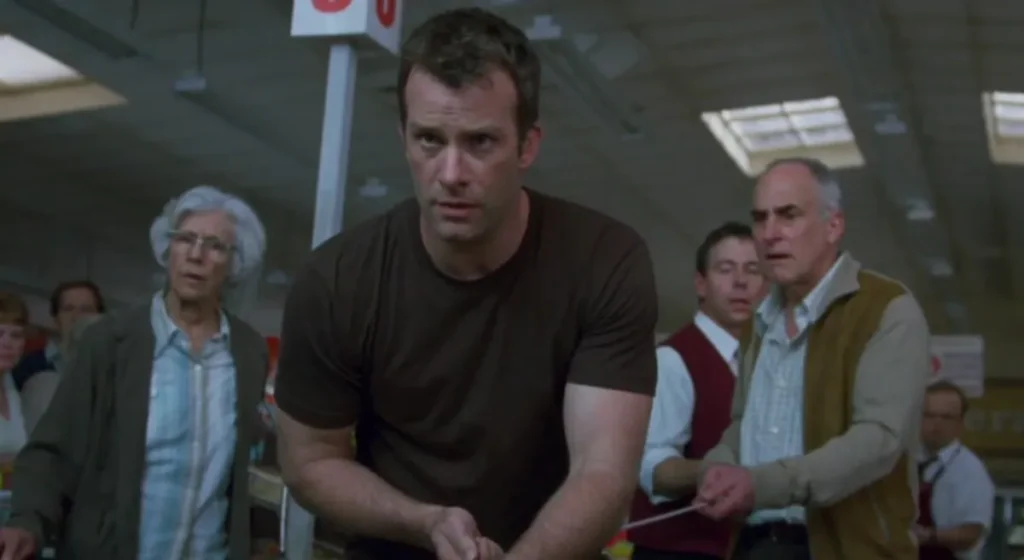
The film opens with artist David Drayton (Thomas Jane) watching a freak storm with his neighbor. The next morning, the lake is still shrouded in mist. Needing supplies, David, his son Billy, and arrogant lawyer Brent Norton drive to the local supermarket. While inside, a bloodied, terrified man runs in screaming about something in the mist that took his friend. The mist envelops the store, cutting them off from the outside world. When a young employee is pulled into the loading bay by tentacles, the reality of their situation sets in: they are trapped with monsters outside.
Act 2 Explained: The Real Monster Emerges
As hours turn into days, the fragile society inside the supermarket shatters. Enter Mrs. Carmody (Marcia Gay Harden), a religious fanatic who interprets the crisis as divine punishment. She preaches that sacrifices must be made to atone for humanity’s sins. Her rhetoric gains traction among the terrified crowd. The “monsters” outside are terrifying, but the real horror becomes the mob mentality and human savagery inside. David becomes the leader of the rational group, constantly clashing with Carmody’s growing cult. The tension culminates when Carmody’s followers attempt to sacrifice young Billy, forcing David’s ally, Ollie (Toby Jones), to shoot her dead.
Act 3 Explained: The Flight into Darkness
With the situation at the supermarket completely out of control, David, Billy, and four others—Amanda, Irene, Dan, and a traumatized soldier—escape in David’s car. They drive through the mist, witnessing the true scale of the apocalypse: gigantic, otherworldly Behemoths towering over the land. They drive until the car sputters to a halt, completely out of gas. Surrounded by the sounds of the mist, with no hope of rescue and no will to be torn apart by the creatures, they face an impossible decision.
5. Key Themes Explained
- Fear vs. Reason:The film is a perfect allegory for how fear strips away logic. The rational people (David, the teacher) are drowned out by the hysterical masses. The movie asks: in a crisis, would you listen to reason or to the loudest voice promising salvation?
- Religious Extremism:Mrs. Carmody represents the dangers of blind faith and charismatic manipulation. She doesn’t save anyone; she exploits fear to gain power, turning people against each other.
- The Danger of Hopelessness:According to Frank Darabont himself, ifThe Shawshank Redemptionis about the value of hope,The Mistis about the danger of hopelessness. The film’s thesis is that abandoning hope is the ultimate, irreversible mistake.
6. Characters Explained
- David Drayton:The everyman protagonist. He is logical, protective, and determined to survive. His entire arc is a tragic descent from hopeful leader to a man broken by despair.
- Mrs. Carmody:One of cinema’s most detestable villains. She isn’t a monster; she’s worse. She is a human who weaponizes God to justify murder. Her death at the hands of Ollie is a moment of cathartic release for the audience.
- Ollie Weeks:The quiet hero. The assistant manager who sticks by logic, hands David the gun, and delivers the killing shot to Carmody without hesitation. He represents the quiet, unassuming bravery of ordinary people.
- The Woman (Melissa McBride):Early in the film, she begs anyone to accompany her home to her children. No one goes with her. Her reappearance at the end, alive and reunited with her kids, serves as the ultimate condemnation of the group’s paralyzing fear.
7. Twist Explained
While not a traditional “twist,” the film subverts expectations with its treatment of the military. Usually, the military in sci-fi horror is either the cause of the problem or the inept savior. Here, they are both. Project Arrowhead opened the dimensional rift, causing the apocalypse. Yet, in the film’s final moments, they arrive as effective saviors, cleaning up the mist with flamethrowers. The twist is that the very thing that damned themdideventually come to save them—just five minutes too late.
8. The Mist Movie Ending Explained
This is the section that haunts viewers forever.
What exactly happens?
Out of gas and surrounded by the sounds of monsters, David, Amanda, Irene, Dan, and Billy are hopeless. David has a gun with four bullets. He makes the heart-wrenching decision to spare his son and friends from a gruesome death. He shoots them all—including his beloved son, Billy. Unable to kill himself due to lack of bullets, David stumbles out of the car, screaming into the mist for the creatures to take him. But the mist doesn’t bring monsters. It brings the rumble of tanks. The U.S. military rolls past him, incinerating the creatures. The mist is clearing. In the back of a military truck, David sees the woman from the supermarket, the one who walked out alone, holding her two children safely. David’s scream of agony is the last shot of the film.
What the ending means
The ending is a masterclass in tragic irony. David spends the entire film fighting to save his son. He fights monsters, he fights zealots, he escapes the mob. He does everything right. But in his final moment of weakness, in his loss of hope, he destroys the very thing he was fighting for. The message is brutal: if they had held on for just a few minutes longer, they would have lived.
How it connects to the theme
It directly illustrates the “danger of hopelessness.” The moment David gave up, he sealed their fate. The theme is reinforced by the visual of the woman whodidn’tgive up. She walked into the mist when everyone told her it was suicide, and she survived.
Director’s Intention
Frank Darabont changed Stephen King’s original, ambiguous ending to this nihilistic gut-punch. He wanted an ending that would “really piss the audience off” and flip the expectations of a happy ending on its head. Stephen King himself gave the new ending his seal of approval, calling it “anti-everything” and wishing he had thought of it himself.
9. Performances
- Thomas Jane (David):He delivers a grounded, “controlled understated performance” that makes the final explosion of grief absolutely devastating. His primal scream at the end is one of the most realistic portrayals of utter despair ever captured on film.
- Marcia Gay Harden (Carmody):She is terrifying. She doesn’t play it as a cartoon villain but as a true believer. Her calm, icy delivery of lines about blood and sacrifice makes the character feel dangerously real. It is a severely underrated performance.
- Toby Jones (Ollie):Jones brings a quiet dignity to the role. He is the conscience of the film, and his decisive action against Carmody makes him the film’s true, unsung hero.
10. Direction & Visuals
Frank Darabont employs a documentary-style, vérité approach inside the supermarket. The shaky, handheld camera work places the audience inside the chaos, enhancing the claustrophobia. Notably, the film uses very little background music for its first 90 minutes, relying on diegetic sound to build realism and dread. When the music finally kicks in—specifically the haunting “The Host of Seraphim” by Dead Can Dance during the ending—it hits with the force of a tidal wave, amplifying the emotional devastation of David’s loss.
11. Pros and Cons
Pros:
- A truly shocking and memorable ending that provokes discussion.
- Intelligent exploration of mob mentality and religious hysteria.
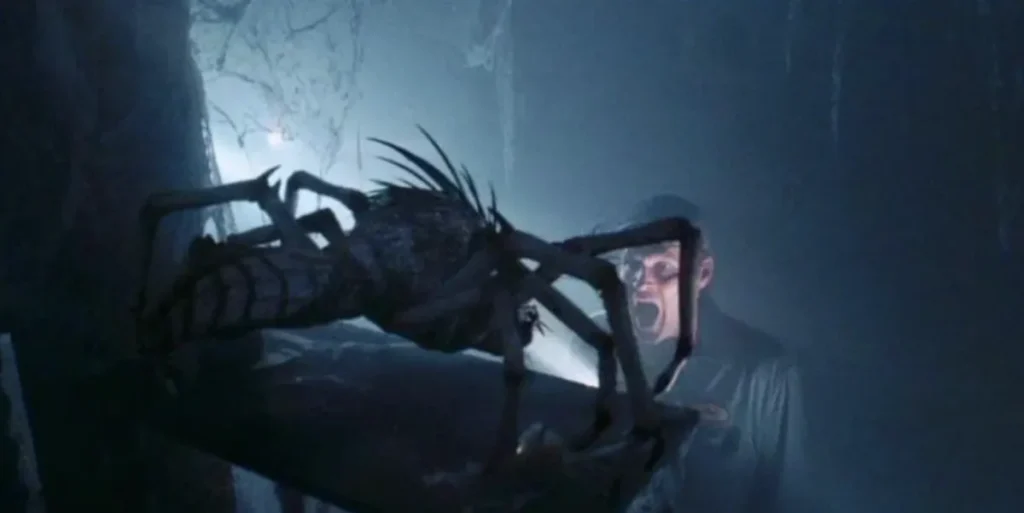
- Fantastic practical and CGI creature designs (for their time).
- Marcia Gay Harden’s unforgettable villainous performance.
Cons:
- Some of the CGI hasn’t aged perfectly.
- The grim tone can be overwhelming for casual viewers.
- The bleakness might feel like “too much” for those seeking escapism.
12. Cast
| Actor | Character |
|---|---|
| Thomas Jane | David Drayton |
| Marcia Gay Harden | Mrs. Carmody |
| Laurie Holden | Amanda Dumfries |
| Andre Braugher | Brent Norton |
| Toby Jones | Ollie Weeks |
| William Sadler | Jim Grondin |
| Jeffrey DeMunn | Dan Miller |
| Frances Sternhagen | Irene Reppler |
| Nathan Gamble | Billy Drayton |
| Melissa McBride | The Woman |
13. Crew
| Role | Name |
|---|---|
| Director | Frank Darabont |
| Screenplay | Frank Darabont |
| Based on a story by | Stephen King |
| Producer | Frank Darabont, Liz Glotzer |
| Cinematography | Rohn Schmidt |
| Music | Mark Isham |
14. Who Should Watch?
The Mistis for viewers who like their horror thoughtful and their endings uncompromising. If you appreciate films likeThe ThingorNight of the Living Deadthat explore social breakdown, this is essential viewing.Warning:Do not watch this if you are looking for a light, fun monster romp. This is a tragedy dressed as a horror movie.
15. Verdict
Frank Darabont’sThe Mistis a brutal masterpiece. It uses the framework of a B-movie creature feature to deliver an A-grade psychological thriller about the fragility of civilization. While the monsters are creepy, the real terror lies in the human heart. The ending is not just a twist; it is a thesis statement on the cost of despair. It elevates the film from a good horror movie to a timeless, haunting work of art.
16. Reviews & Rankings
- Rotten Tomatoes:72% Critics / 56% Audience
- IMDb:7.1/10
- Letterboxd:3.6/5
- Common Consensus:Often ranked among the best Stephen King adaptations and frequently cited as having the “most devastating ending in horror history.”
17. Where to Watch
You can currently streamThe MistonPeacock. It is also available for digital rental or purchase on platforms like Amazon Prime Video, Apple TV, and YouTube.
Ready to have your heart shattered? StreamThe Misttonight.