
🎬 The Girl on the Train
Release Year: 2016
Streaming Platform: Netflix
⭐ IMDb: 6.5/10 | 🍅 Rotten Tomatoes: 44%
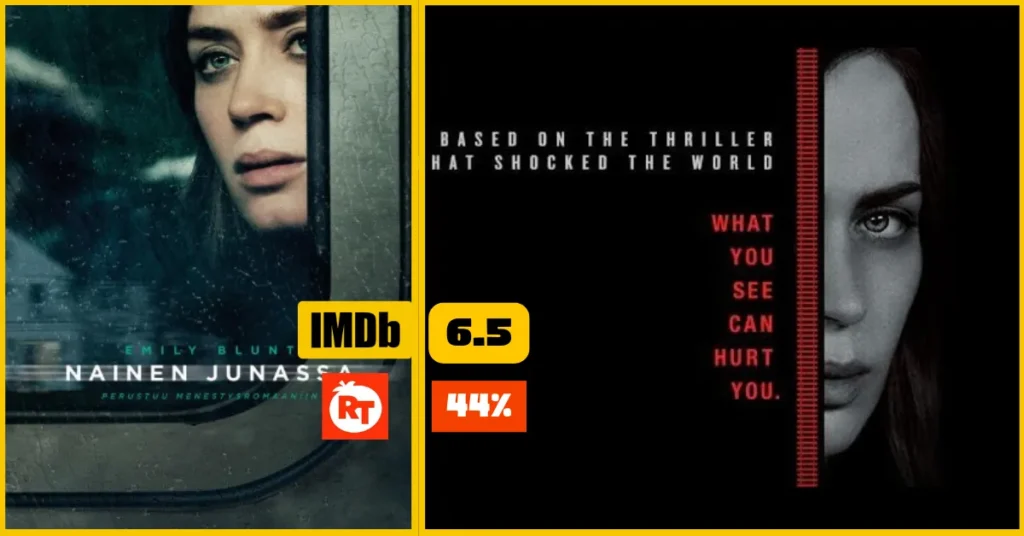
The Girl on the Train (2016) is a pulse-pounding psychological thriller that keeps you guessing until the final frame. Directed by Tate Taylor, this adaptation of Paula Hawkins’ bestseller dives into obsession, memory, and deception through the eyes of unreliable narrators.
In this completeThe Girl on the Train movie explained, we’ll break down the full plot, dissect major twists, and deliver a thoroughending explained. Whether you’re re-watching onNetflixor discoveringEmily Blunt‘s gripping performance, stick around for hidden meanings and character truths.
Expect cinematic tension like Gone Girl meets alcohol-fueled blackouts. No stone left unturned.
Overview
This mystery thriller blends domestic noir with suspense, clocking in at 112 minutes. It explores voyeurism, addiction, and fractured relationships in suburban New York.
The mood is dark and claustrophobic, fueled by first-person perspectives from three women. Themes of projection and self-deception dominate without early reveals.
Perfect for fans of twisty dramas like Shutter Island. Runtime flies by amid mounting paranoia.
SPOILER WARNING
If you haven’t seen The Girl on the Train, watch on Netflix first.
We’re explaining every twist and the full ending.
Story Explained
Act 1 Explained
Rachel Watson commutes daily on a train, fixating on a couple—Scott and Megan—living by the tracks. Divorced and alcoholic, she imagines their perfect life while projecting her failed marriage to Tom.
Flashbacks reveal Rachel’s blackouts and obsession. Megan’s diary introduces her dissatisfaction with husband Scott and therapist Kamal.
Tension builds as Rachel witnesses Megan kissing a stranger, blacking out afterward. Police soon discover Megan’s body near the tracks.
Act 2 Explained
Rachel wakes bloodied, suspected in Megan’s murder due to her proximity. Tom, her abusive ex, manipulates her guilt; Anna, his new wife, views Rachel as a threat.
Interviews expose secrets: Megan miscarried and sought therapy for grief. Rachel confronts Scott, learning Megan had affairs.
Rachel’s memories fragment—did she really see Megan with another man? Anna faces Rachel’s harassment, heightening stakes.
Act 3 Explained
Rachel pieces together blackouts: she confronted Megan on the night of the murder, mistaking her for a friend. Tom emerges as the real killer, revealed through Megan’s hidden pregnancy.
A brutal chase ensues. Rachel fights back, exposing Tom’s violence.
Climax hits with revelations tying past abuse to present horror.
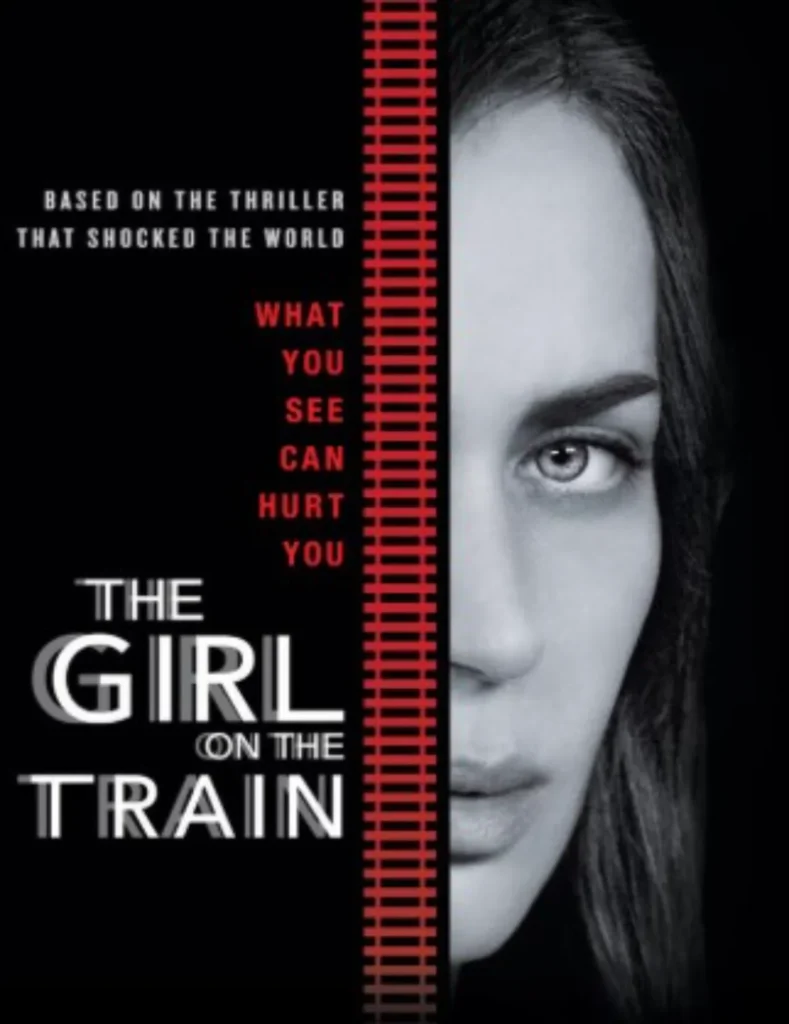
Key Themes Explained
Alcoholism warps reality, symbolizing Rachel’s unreliable gaze—like a train blurring past truth. Voyeurism critiques how we romanticize strangers’ lives, mirroring social media envy.
Betrayal threads everywhere: marriages crumble under lies. The tracks represent inescapable cycles of trauma.
Redemption arcs question if broken people can reclaim agency. Metaphors like shattered wine glasses echo fractured minds.
Characters Explained
Rachel (Emily Blunt)starts as a hot mess—drunk, delusional, projecting her pain onto Megan. Her arc transforms victimhood into fierce survival, shedding victim-blaming passivity.
Megan (Haley Bennett)embodies restless desire, cheating to escape numbness. Her secrecy masks vulnerability, leading to tragedy.
Tom (Justin Theroux)hides monstrous control behind charm. His evolution unmasks sociopathy rooted in unchecked rage.
Anna evolves from naive intruder to wary survivor. Therapist Kamal redeems as genuine support.
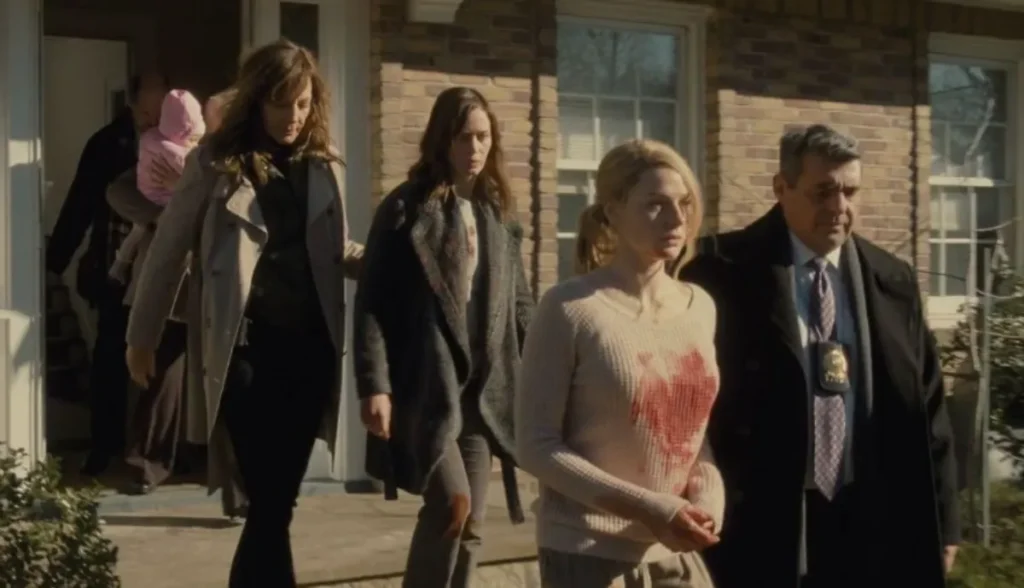
Twist Explained
The core twist flips Rachel from prime suspect to witness-savior. Her blackout visions weren’t hallucinations—they pieced together Tom’s affair and murder of pregnant Megan.
Scott’s innocence shocks; he’s grieving, not guilty. This unreliable narration twist echoes Fight Club, rewarding patient viewers.
Modern lens: it spotlights gaslighting in abusive dynamics. Clean reveal avoids cheap shocks.
Movie Ending Explained
Rachel survives Tom’s attack, killing him in self-defense with a rock. She testifies clearly, sober now, as police confirm her story via evidence like Megan’s phone.
The ending means breaking free—Rachel exits therapy empowered, boarding a new train sans obsession. It connects to themes of reclaiming truth from addiction’s fog.
Alternate interpretation: cyclical danger lingers; her final glance suggests habits die hard. Director Tate Taylor intends empowerment—Rachel authors her narrative, subverting damsel tropes.
No loose ends—Megan’s diary validates everything. Bittersweet closure: justice, but scars remain.
Performances
Emily Bluntowns it, nailing slurred despair to steely resolve. Her blackout monologues feel raw, like a gut-punch confession.
Haley Bennettlayers sensuality with quiet desperation; diary scenes ache with unspoken loss. Justin Theroux chills as Tom—smiles mask venom, echoing real abusers.
Supporting cast shines: Lisa Kudrow’s therapist adds wry depth. No weak links, though accents occasionally slip.
Direction & Visuals
Tate Taylor crafts intimacy with tight train shots, mimicking Rachel’s fixation. Dutch angles distort during blackouts, visually fracturing reality.
Cool blues dominate suburbia, warming to bloody reds in violence. Tracks motif recurs—symbolizing forward momentum amid derailment.
Handheld chaos amps chases. Solid, if not revolutionary, cinematography by Charlotte Bruus Christensen.
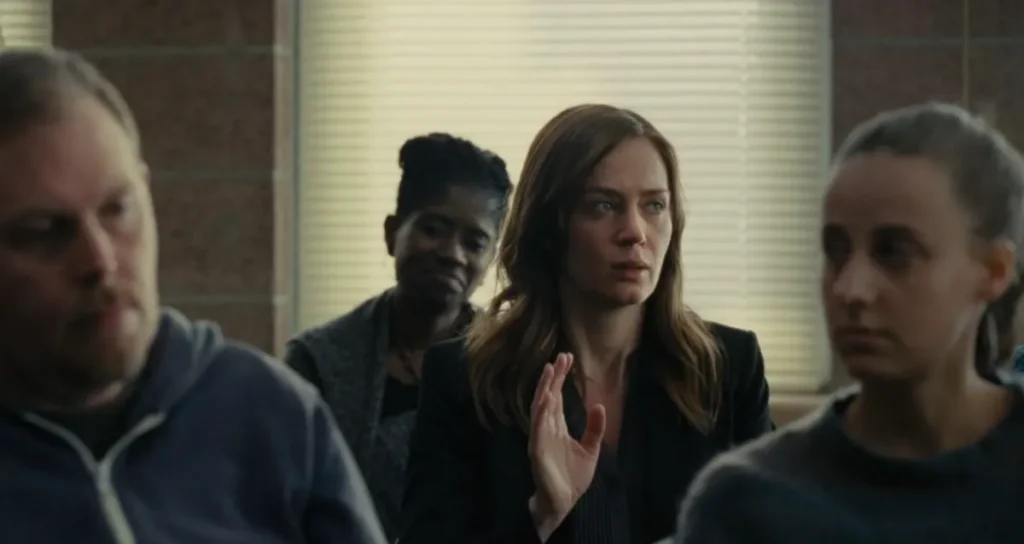
Pros and Cons
Pros:
- Gripping twists keep you hooked.
- Blunt’s career-best intensity.
- Smart unreliable narrator structure.
Cons:
- Pacing drags in mid-act domestic spats.
- Some accents feel forced.
- Book fans miss novel’s grit.
Cast
| Actor | Role | Notable For |
|---|---|---|
| Emily Blunt | Rachel Watson | Sicario, A Quiet Place |
| Justin Theroux | Tom | The Leftovers, American Psycho |
| Haley Bennett | Megan | The Magnificent Seven |
| Rebecca Ferguson | Anna | Mission: Impossible series |
| Lisa Kudrow | Kamal Abdic | Friends, Easy A |
Crew
| Role | Name | Notable Works |
|---|---|---|
| Director | Tate Taylor | The Help, Ma |
| Writer | Erin Cressida Wilson | Chloe, Morning Glory |
| Producer | Marc Platt | La La Land, Mary Poppins |
| Cinematographer | Charlotte Bruus Christensen | Silence, Fences |
| Composer | Danny Elfman | Batman, Spider-Man |
Who Should Watch?
Thriller junkies craving mind-bends like The Girl on the Train ending explained. Emily Blunt fans, book-to-film purists, and anyone unpacking abuse narratives.
Skip if slow burns bore you. Ideal OTT night on Netflix.
Verdict
The Girl on the Train masterfully unravels deception, with amovie explainedfull of chills and anending explaineddelivering catharsis. Blunt elevates familiar tropes into must-watch tension.
Flawed but addictive—stream it for psychological thrills. Solid 7/10 for suspense addicts.
Reviews & Rankings
| Platform | Score | Audience Score |
|---|---|---|
| IMDb | 6.5/10 | 31% |
| Rotten Tomatoes | 44% | 51% |
| Metacritic | 48/100 | 4.2/10 |
Ranking Among 2016 Thrillers:#12/25—Behind Split, ahead of Nocturnal Animals.
Where to Watch
CatchThe Girl on the TrainonNetflixright now. Perfect for late-night binges—grab popcorn and decode the twists.